Protecting girls from FGM in Ethiopia
Important progress is being made to eradicate FGM in Ethiopia, but many girls are still at risk. Find out how our partner is working to
Transforming lives in Ethiopia
Your gift of £250 can fund one month's salary for a Women Extension Worker
Your gift of £500 can cover the equipment costs of five Women Extension Workers
Your gift of £1000 can contribute towards a clan leader conference on stopping harmful practices
Your £50 a month can provide the stability so our partners can continue transforming lives and plan into the future.
Your £100 a month can provide the stability so our partners can continue transforming lives and plan into the future.
Your £150 a month can provide the stability so our partners can continue transforming lives and plan into the future.
Female genital mutilation (FGM) is any procedure where female genitalia is removed, cut or injured for non-medical reasons. Removing flesh is the most common form of FGM in Ethiopia. This may include the clitoris or the labia. The most severe form, in which the vaginal opening is sewn closed, is common in the Afar region.
FGM has been practised for thousands of years. Many communities believe FGM to be an essential part of a girl’s life and important for their wellbeing, and that it keeps women and girls pure, and fit for marriage. Misconceptions about religious teachings exacerbate the issue, especially in areas where literacy is low.
Will you help end the lifelong pain of FGM for the next generation of girls?
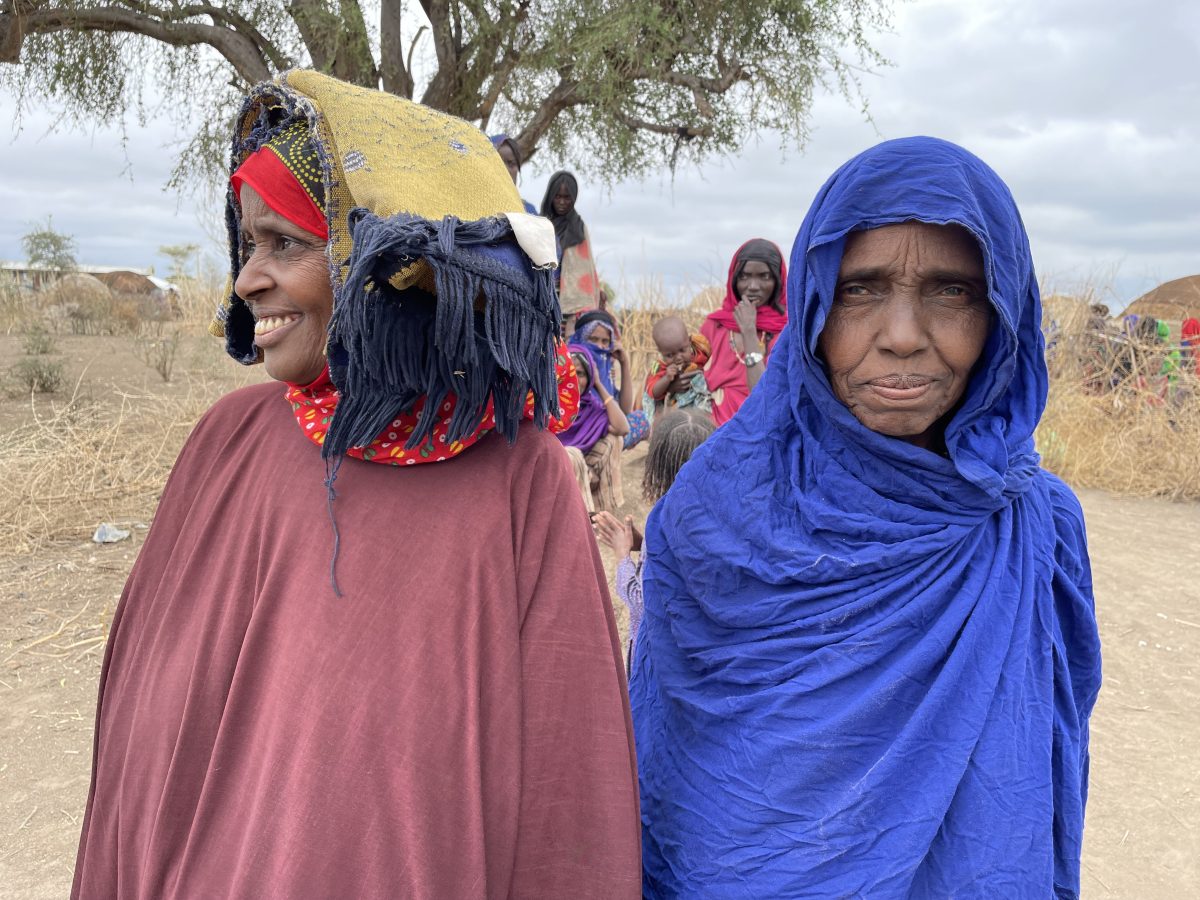
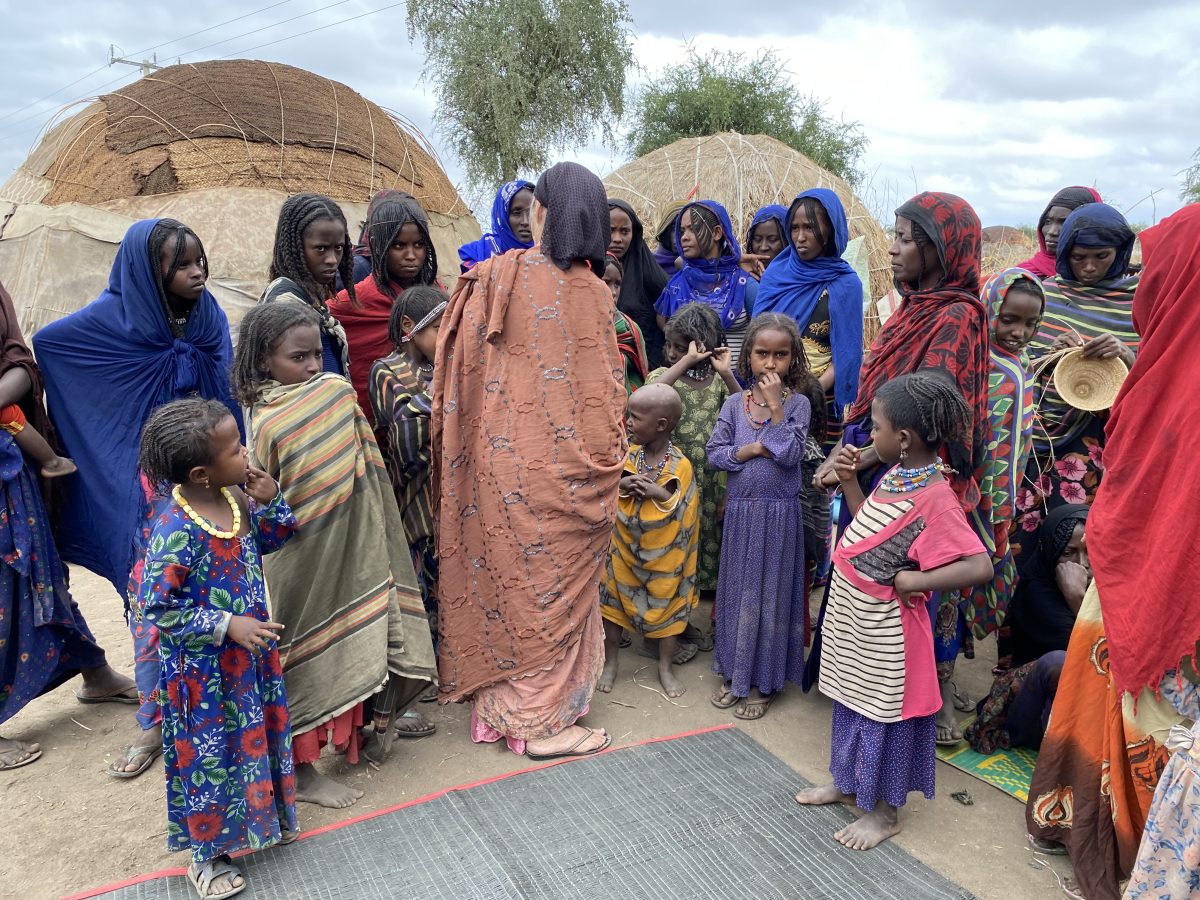
Training Women Extension Workers, who go house to house to support women and girls, advocating for their rights. By involving both girls and boys in discussions, the next generation can end FGM.
Mentoring and supervising Traditional Birth Attendants to stop performing FGM, protect babies from harmful practices and become advocates for change.
Working with religious and clan leaders, who use their influence and authority to dispel misconceptions about religious teachings and the law.
Please donate to help end FGM.
Thank you.
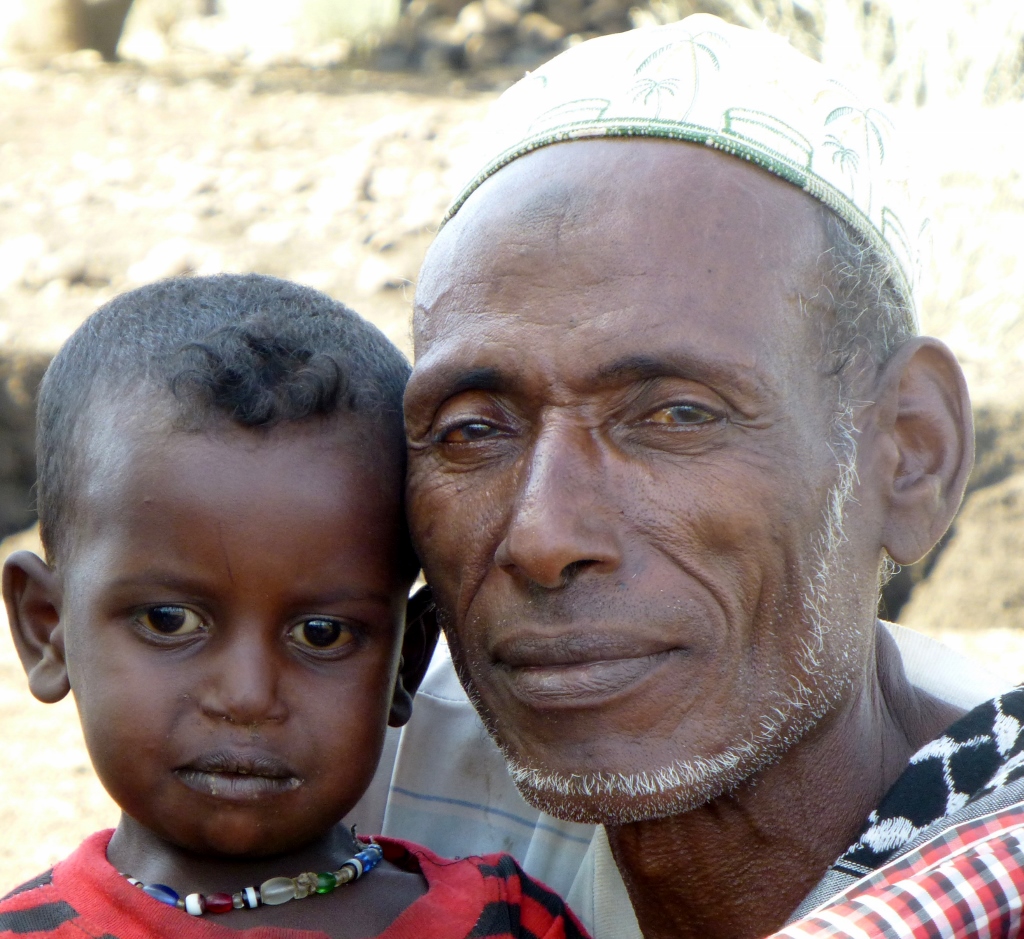
When Mohammad saw his baby daughter Faatuma cry in pain every single day, he was desperate to find out the reason for her distress.
He didn’t realise FGM was the cause and that this extremely dangerous, yet sadly common practice wasn’t required under Islamic teaching. Like Mohammad, many are taught FGM is necessary in order to keep women and girls pure and fit for marriage.
He didn’t know that when he asked the birth attendants to only cut the clitoris they would cut so much more, meaning, once sewn up, urine could barely drain out. He didn’t know that it would cause his little daughter such extreme pain.
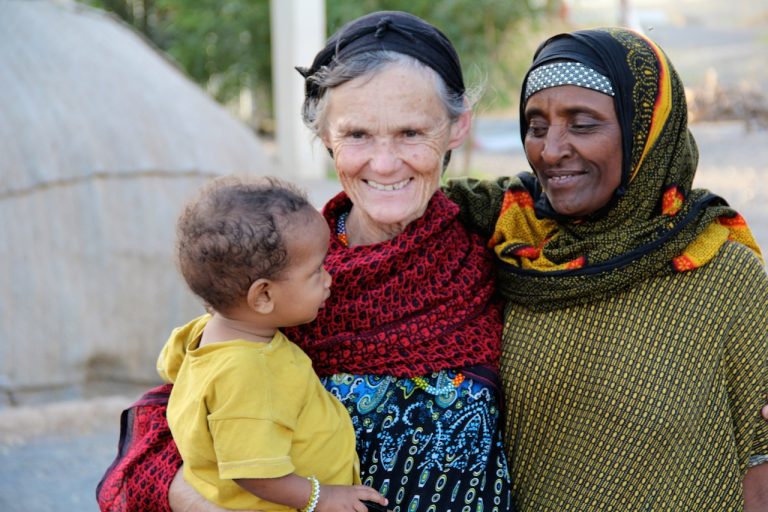
As infection took hold of Faatuma, Mohammad was driven to seek help. APDA’s Women Extension Workers assisted Mohammad in rushing her to hospital, where she received the emergency surgery she needed. Without it, she may have died.
While the urgent care she received saved her life, Faatuma will still suffer the pain and consequences of this horrific practice for the rest of her life.
Mohammad loves his daughter. The trauma of Faatuma’s suffering and teaching from the Women Extension Workers helped him rethink his beliefs about FGM. Now, he passionately opposes all forms of cutting and spreads this message throughout his community.
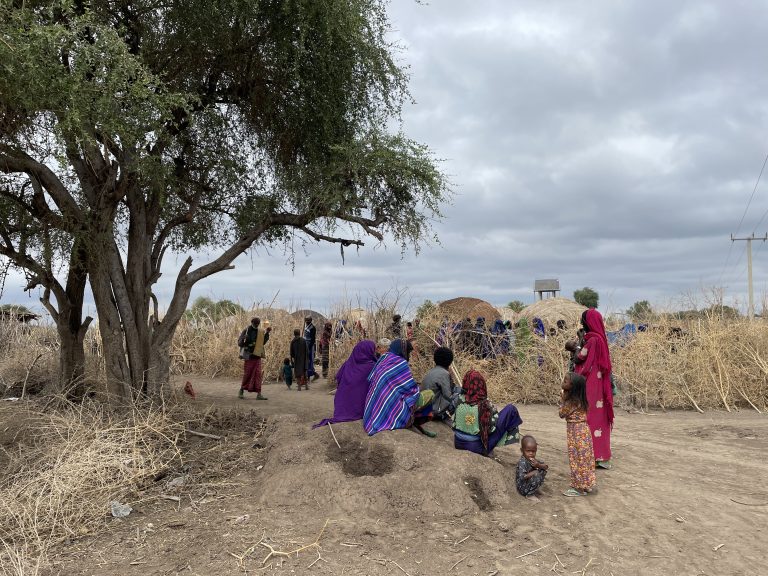
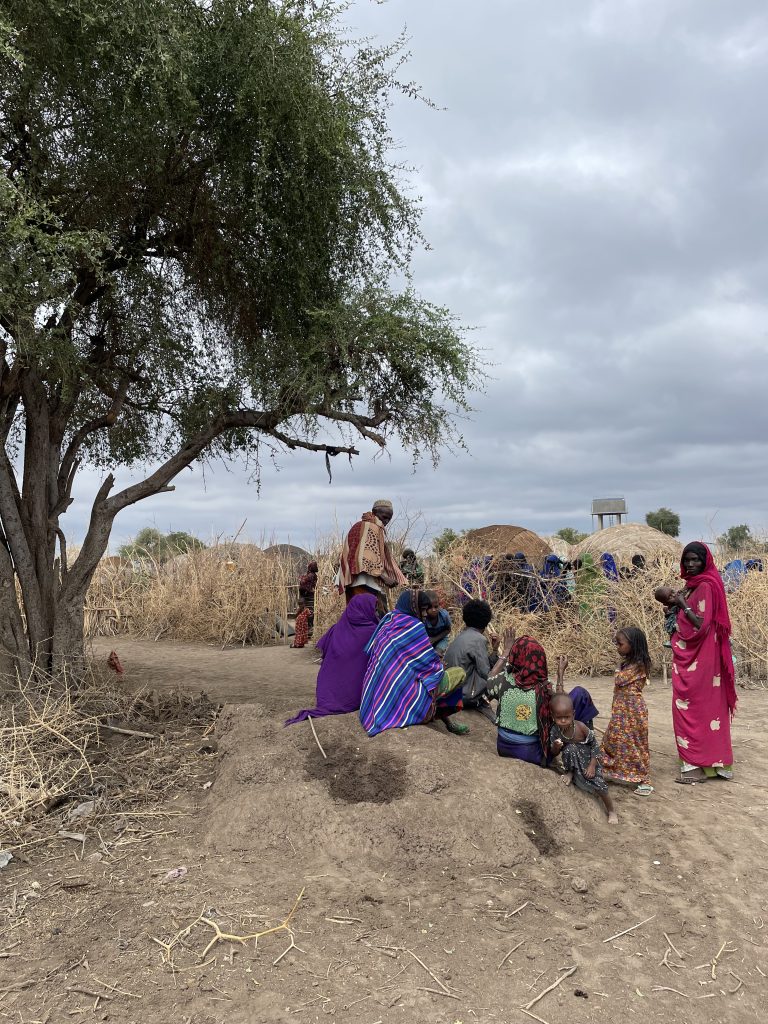
The Afar region is one of the regions of Ethiopia with the highest prevalence of FGM. It has been practiced there for hundreds of years.
Many communities believe FGM to be an essential part of a girl’s life and important for their wellbeing. Misconceptions about religious teachings exacerbate the issue, especially in areas where literacy is low.
Changing such deep-rooted beliefs is hard, but slowly and surely our partner’s Women Extension Workers are raising awareness of the dangers and convincing communities that it cannot continue.

Important progress is being made to eradicate FGM in Ethiopia, but many girls are still at risk. Find out how our partner is working to

On International Day of Zero Tolerance for Female Genital Mutilation, Valerie Browning, Co-Founder and Program Director of our project partner, Afar Pastoralist Development Association (APDA),
Female Genital Mutilation (FGM) in Ethiopia has been a tradition in rural communities for thousands of years, with its roots dating back to the Pharaohs

Project report: restoring maternal and child health services in Tigray. Across Tigray, the healthcare service is struggling to recover in the aftermath of the conflict.
Restoring maternal and child health services post conflict Our partner Wings of Healing is working to restore health services in the aftermath of conflict in

Health centres destroyed by conflict In the Tigray region of Ethiopia, the healthcare system is struggling to recover from the aftermath of the conflict. Many
We raise funds for local Ethiopian charities to transform lives and achieve lasting change.
Our partners know the context and solutions; we listen and provide appropriate support. Growth and development are tracked in local communities using robust monitoring and evaluation. Partnerships continue as long as there’s a clear need and opportunities to make a lasting impact.
Our vision – an Ethiopia in which every person has access to quality education, healthcare and a life of dignity.
Our mission – breaking the cycle of poverty by enabling the poorest and most vulnerable and their communities to live with dignity, to build resilience and achieve real and sustainable solutions to the challenges they face.